
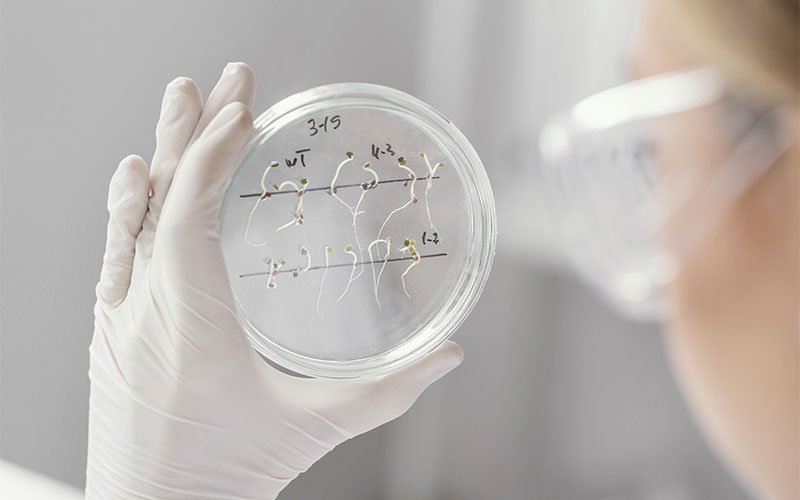
Biocompatibility Testing
TestCert Lab provides biocompatibility testing for medical devices to ISO 10993, for manufacturers in Pakistan selling locally and abroad. Biocompatibility testing shows that the materials in a device do not cause harmful reactions such as cell damage, skin irritation or allergy when they contact the human body.
Why biocompatibility testing is required
Every device that touches a patient, from surgical instruments and dental products to dressings and catheters, must be shown to be biologically safe. Regulators and notified bodies under EU MDR and the FDA require a biological evaluation to ISO 10993-1, and testing provides the evidence for it.
Tests commonly required
- Cytotoxicity: ISO 10993-5
- Sensitization: ISO 10993-10
- Irritation: ISO 10993-23
- Further tests depending on contact type and duration, such as systemic toxicity or implantation
Which tests your device needs
The tests depend on what the device touches (skin, mucosa, blood, tissue or bone) and for how long. We help you identify the required endpoints under ISO 10993-1 before testing, so you test only what is needed.
Samples and turnaround
Send finished, sterilized devices made with production materials and processes. Timelines vary by test; cytotoxicity is the quickest, while sensitization takes several weeks. Contact us for a plan and timeline.
What your report includes
Each report describes the test article, extraction conditions, method, results and conclusion, ready to include in your biological evaluation and technical file.
Related tests
Request a quote for biocompatibility testing
Tell us about your product and the standard you need, and we will confirm samples, cost and timeline.
Or call +92 321 8617100 · email info@testcert.org
Biocompatibility Testing FAQs
Which biocompatibility tests does my device need?
It depends on the type and duration of body contact under ISO 10993-1. Tell us about your device and we will suggest the required tests.
Is cytotoxicity testing enough?
For most devices, no. Cytotoxicity, sensitization and irritation are the usual minimum, with more tests for longer or deeper contact.
Do surgical instruments need biocompatibility testing?
Yes, if they contact the patient. Material data and test results are both used in the evaluation.
Will the results support CE marking?
Yes. ISO 10993 results are part of the biological evaluation required in the technical file under EU MDR.