
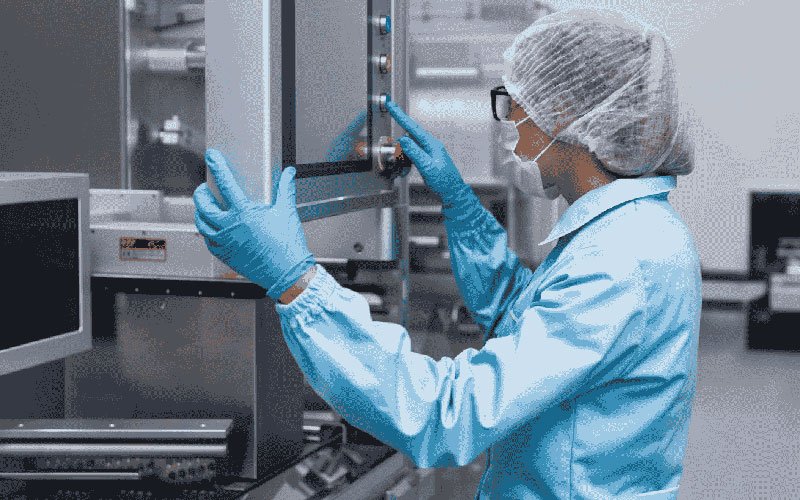
Hardness Testing
TestCert Lab provides hardness testing of surgical and dental instruments for manufacturers and exporters in Sialkot, Lahore and across Pakistan. Hardness testing measures how well an instrument’s steel resists deformation, confirming that heat treatment has given the right balance of strength, edge retention and toughness.
Why hardness testing matters
Scissors, osteotomes, needle holders and forceps each need a specific hardness range. Too soft and they bend or lose their edge; too hard and they can crack or snap during surgery. Export buyers and notified bodies ask for hardness results as evidence that instruments meet material specifications, and hardness checks catch heat-treatment problems before a shipment is rejected.
Methods we use
- Rockwell hardness (HRC)
- Vickers hardness (HV), including micro-Vickers for small parts and thin sections
Standards commonly requested
- ASTM F899: wrought stainless steels for surgical instruments
- ISO 7153-1: metallic materials for surgical instruments
- ISO 6508 (Rockwell) and ISO 6507 (Vickers) test methods
Samples and turnaround
Send finished instruments or blanks from the batch, usually several per design. Results are typically ready within a few working days.
What your report includes
The report lists each instrument, test locations, individual and average hardness values, the specified range and a pass or fail result.
Related tests
- Surgical Instrument Testing in Pakistan
- Chemical Composition & Material Identification
- Cleaning Validation for Reusable Medical Devices
Request a quote for hardness testing
Tell us about your product and the standard you need, and we will confirm samples, cost and timeline.
Or call +92 321 8617100 · email info@testcert.org
Hardness Testing FAQs
What hardness should surgical instruments have?
It depends on the instrument and steel grade. ASTM F899 and ISO 7153-1 give typical ranges; we report against your specification.
Will testing damage the instrument?
Hardness testing leaves a small indentation, so tested pieces are usually not sold. We test on a non-critical area where possible.
Do you test dental instruments too?
Yes, along with surgical, orthopaedic and other stainless-steel instruments.
Can you test composition and corrosion as well?
Yes. Hardness is often combined with chemical composition and corrosion testing for a complete material check.